

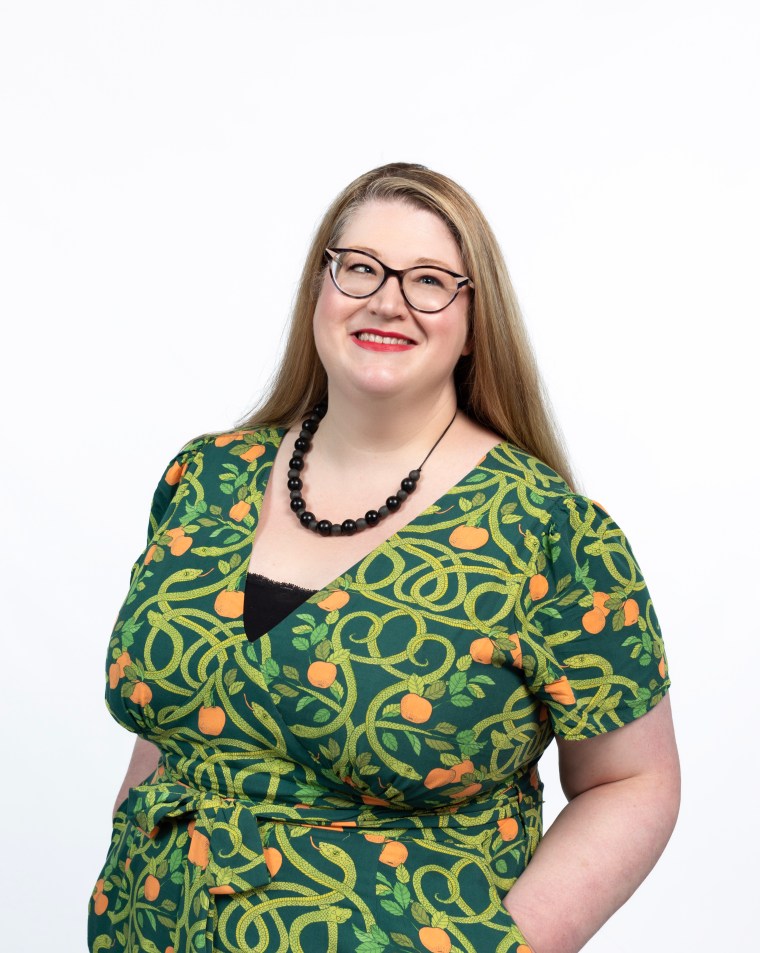
I work in the fields of science and screen media studies (science humanities) and my research focusses on the intersection of entertainment media and the public understanding of science.
My research interrogates public and popular cultures of science (‘1990s Dinotopia: Public and Popular Cultures of Science from Jurassic Park to Friends’ [co-author: Daniella McCahey], Interdisciplinary Science Reviews, 2024; ‘Contagion went Viral’, Curr Clin Microbiology, 2023); histories of science and religion in cinema (‘Religious Outrage, Horrific Science, and The Exorcist,’ History of the Human Sciences, 2022); socio-technoscientific imaginaries and SF literature (‘Reading science: SF and the uses of literature’ [co-author: Lisa Garforth], The Palgrave Handbook of Contemporary Literature and Science, 2020).the mediation of women’s scientific expertise on screen (‘Representing Women in STEM in Science-Based Film and Television’, Routledge Handbook of Women and Science, 2022; ‘Representing Scientists and Expertise’ JCOM, 2022); and women (incl. transwomen and non-binary people) created science fiction (‘Medical Experimentation, Bodily Consent, and Bioethics in Trouble Every Day and High Life’, ReFocus: The Films of Claire Denis, 2023).

My most recent book publication, co-authored with microbiologist Prof. Joanna Verran (MMU) and sociologists Dr Lisa Garforth and Dr Miranda Iossifidis (Newcastle University), Reading Science/Fiction: Practices, Pleasures and Publics (Palgrave, 2025), explores the relationship between reading science in fiction and engaging with science. Focusing on embodied readers and empirical approaches to fiction reading, this book examines contemporary social, cultural, biographical and political contexts in which science fictions come to matter. Drawing together a distinctive set of research studies and conceptual resources, the book outlines theories, epistemologies and methodologies for understanding how and why we read science fictions and fictions about science.
My current research project Women Make Science Fiction constitutes the first study of women (including transwomen and non-binary) science fiction directors told from their perspective and through the lens of intersectional feminist film criticism. It explores the interactions between gender, science, and imagined futures and includes a podcast and reviews of new and historical films directed and co-directed by women – you can follow the project on the website and social media, and via the Women Make Science Fiction Podcast.
 Dr Amy C. Chambers