
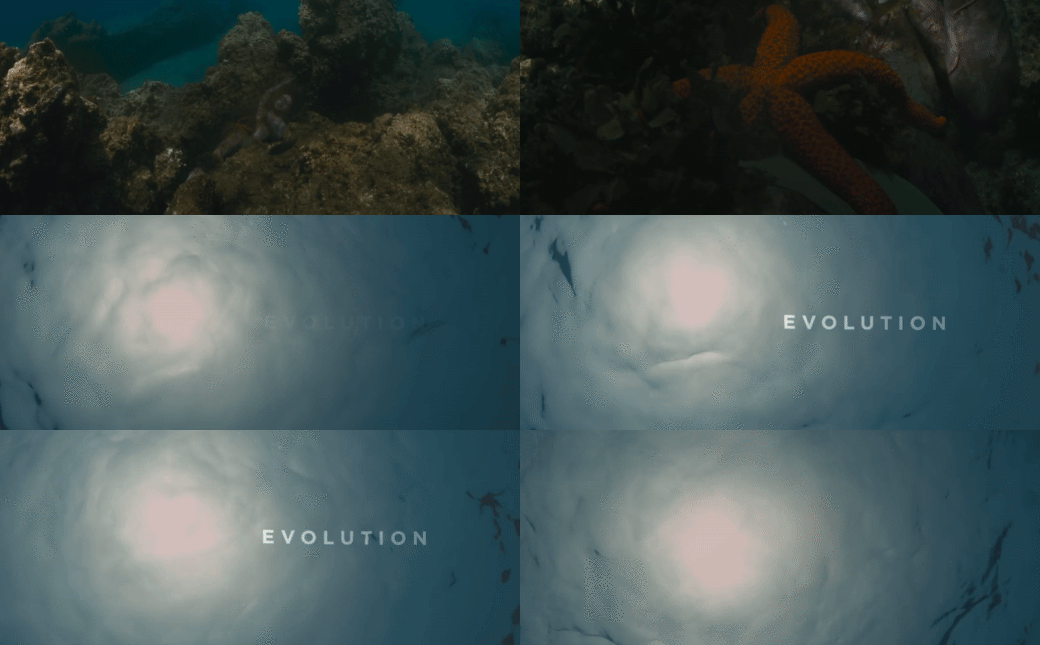
 Évolution (2015)
Director: Lucile Hadžihalilović
Writer(s): Lucile Hadžihalilović and Alante Kavaite (with Geoff Cox) Continue reading “#WomenMakeSF Review (3): Évolution (2015)”
Évolution (2015)Director: Lucile Hadžihalilović
Writer(s): Lucile Hadžihalilović and Alante Kavaite (with Geoff Cox) Continue reading “#WomenMakeSF Review (3): Évolution (2015)”
 Tank Girl (1995, USA)
Director: Rachel Talalay
Writer: Tedi Sarafian (screenplay) and Alan Martin and Jamie Hewlett (comic strip) Continue reading “#WomenMakeSF Review (2): Tank Girl (1995)”
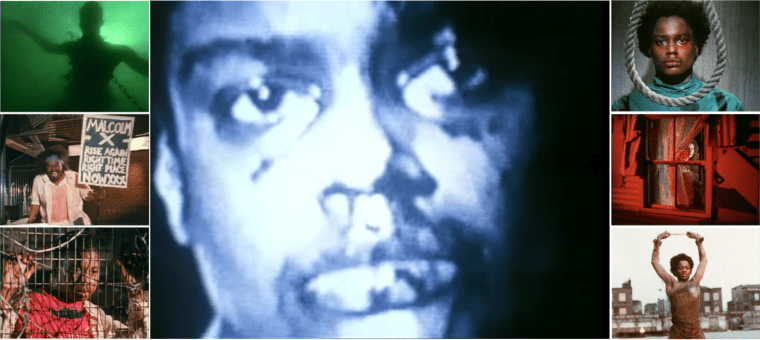 Welcome II the Terrordome (1993)
Director: Ngozi Onwurah
Writer: Ngozi Onwurah Continue reading “#WomenMakeSF Review (1): Welcome II the Terrordome (1993)”

A long time ago in a place far far away called Before the Lockdown (aka Manchester, January 2020), I was invited to be a guest on the award-winning Comma Press Podcast for the opening episode of series two to help introduce the central theme for this series: FUTURES.
Listen on ITunes, Stitcher, TuneIn, Spotify, or Soundcloud (embedded below).
Continue reading “PODCAST: Comma Press Podcast The History of the Future (S2:E1)”

I felt like I was gonna make this female action picture and we were going to kick through the glass ceiling and that was going to be that. We all know how naive I was.
– Rachel Talalay, director of Tank Girl (1995)
Women-made cinema is often pulled together and compared as if it is a genre – distinctive because of its creator’s gender identity rather than its content. Women directors should not just be the subject of special screenings and seasons to highlight their place in an industry that is still dominated by men. Continue reading “Women Make Science Fiction: Gender is not a genre”
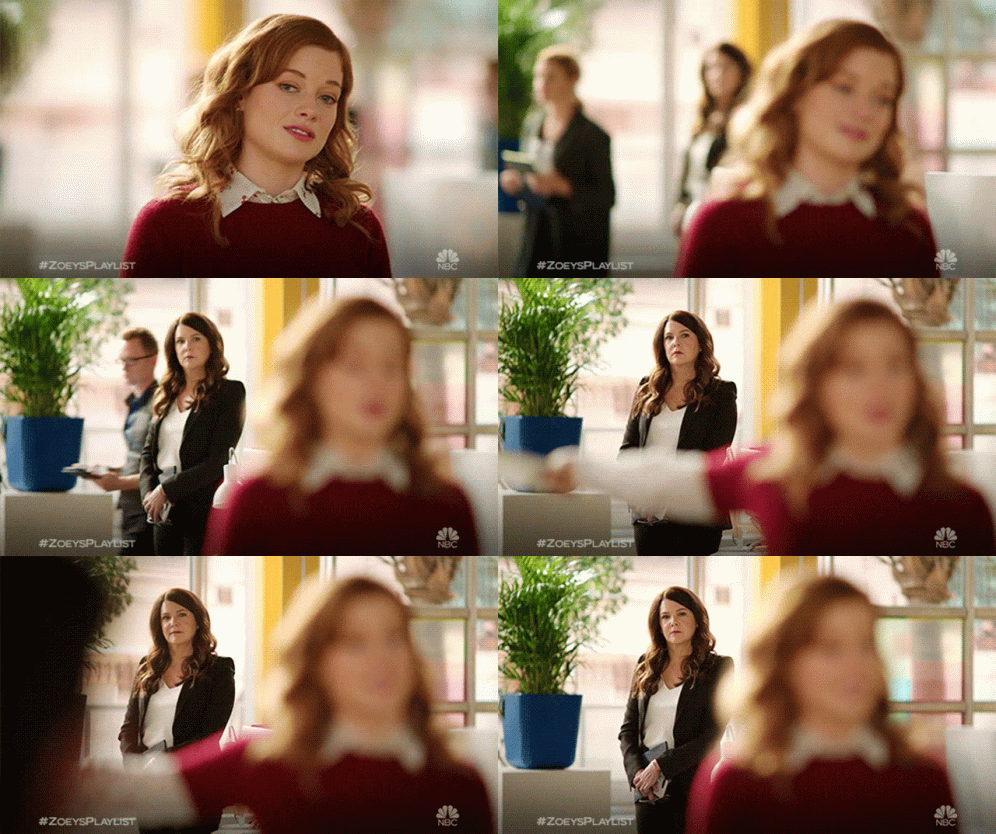
I hadn’t heard of Zoey’s Extraordinary Playlist until this week and a Mary Sue post that compared the show to Crazy Ex-Girlfriend – an excellent show with original songs, a complex central woman character (played by the show’s co-writer and creator Rachel Bloom), and a fascinating and nuanced approach to representing and diagnosing mental health issues (see also: You’re the Worst). Is Zoey’ EP that good? No. But it does do something pretty exciting and on brand for me – it has not one woman computer developer but two, and one of them is the presented as the boss. TWO WOMEN IN TECH AS MAIN CHARACTERS as part of a mildly diverse work force where women appear at different levels of the company hierarchy. Continue reading “Decoding the Digital Beauty : Women in Tech on TV and Film”
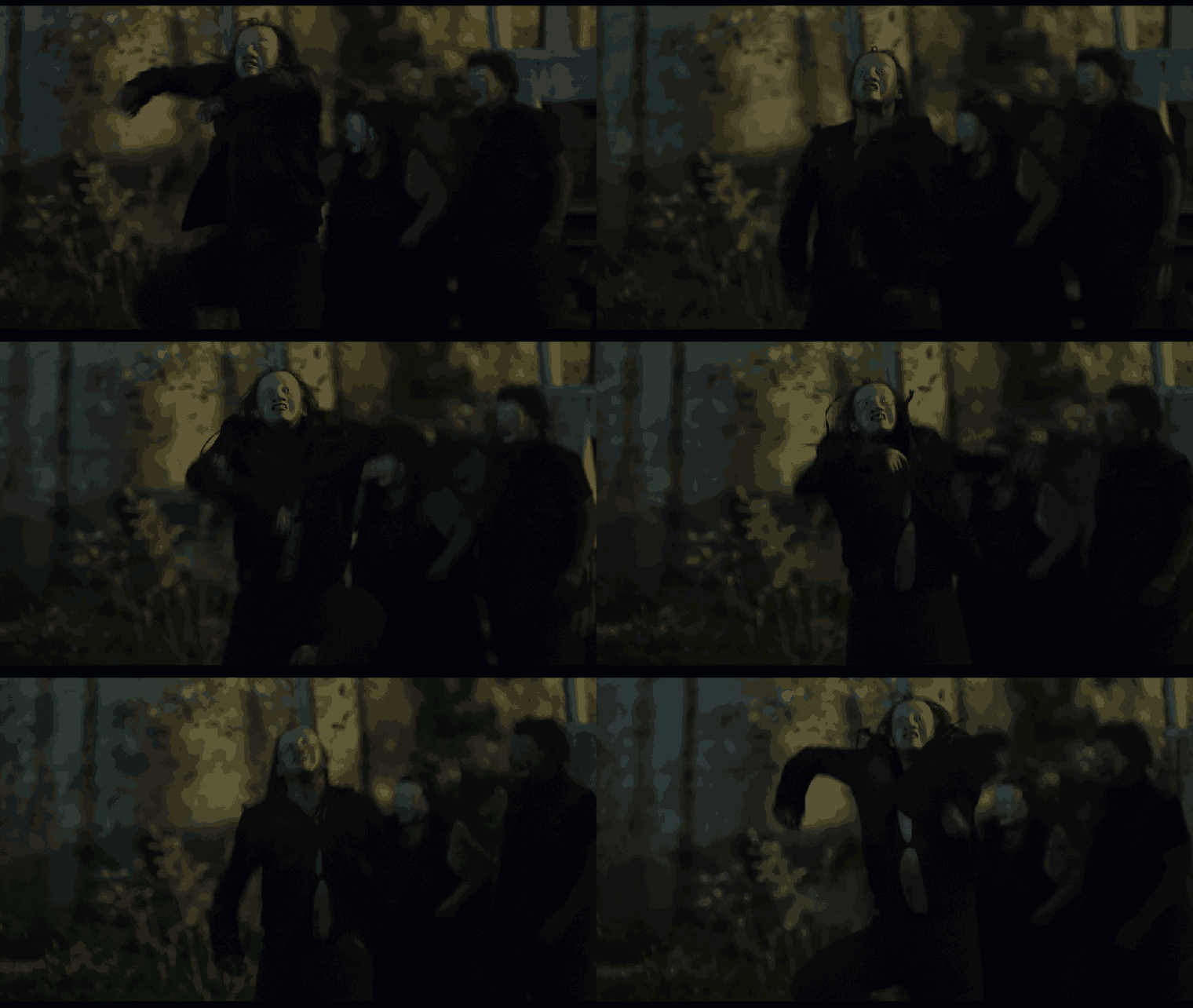 This article contains spoilers for the short film The Fall (Glazer, 2019, BBC Films).
Something very strange – and more than a little scary – happened at around 10pm on Sunday, October 27. Out of the blue, viewers of BBC2 found themselves watching the latest film by British director Jonathan Glazer, perhaps best-known for the unsettling Scottish-set science fiction horror Under the Skin. Continue reading “The Fall: unsettling short film captures our fears about Brexit, Trump and an uncertain future”

From the January to March 2019 I ran a course on WOMEN IN SCIENCE FICTION CINEMA at HOME (an independent venue for contemporary theatre, visual art and film in Manchester, UK) as part of their wonderful 2019 season Celebrating Women in Global Cinema. The course recruited quite a diverse group of participants who helped me to work through some important and emerging ideas about the place of women in science fiction. Continue reading “Women in Science Fiction: Teaching Gender and Genre”

 I was absolutely delighted to be invited to be a guest on the excellent Lady Science podcast in January 2018 to talk about my work on representations of women scientists in popular media. Continue reading “PODCAST: Lady Science Podcast, Episode 5: STEM Women in Popular Culture”
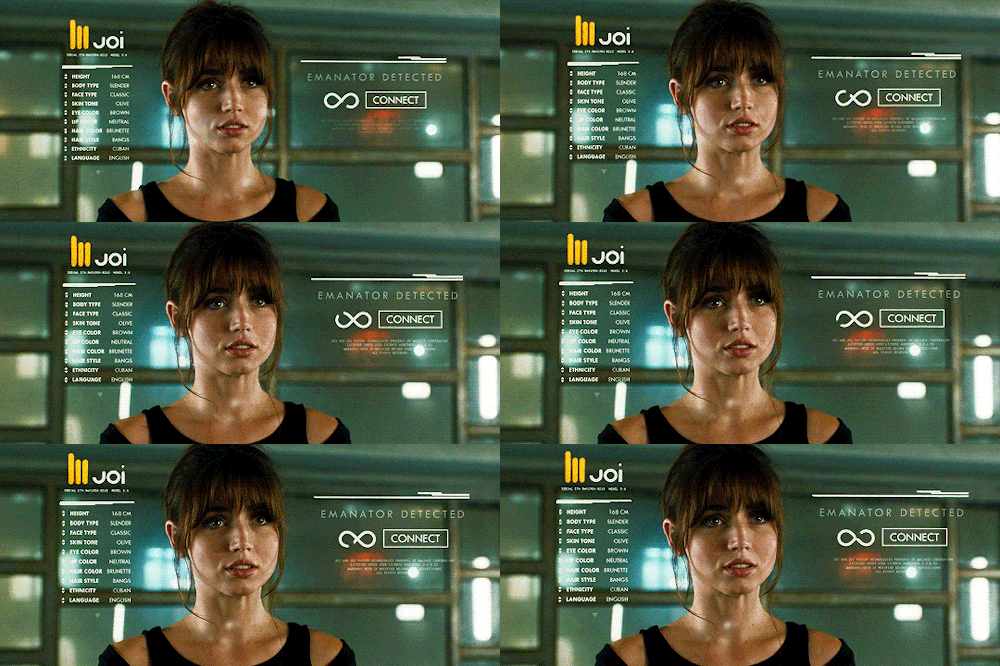
Virtual assistants are increasingly popular and present in our everyday lives: literally with Alexa, Cortana, Holly, and Siri, and fictionally in films Samantha (Her), Joi (Blade Runner 2049) and Marvel’s AIs, FRIDAY (Avengers: Infinity War), and Karen (Spider-Man: Homecoming). These names demonstrate the assumption that virtual assistants, from SatNav to Siri, will be voiced by a woman. This reinforces gender stereotypes, expectations, and assumptions about the future of artificial intelligence. Continue reading “There’s a reason Siri, Alexa and AI are imagined as female: sexism”
 Dr Amy C. Chambers